Advanced Diving Techniques for Experienced Divers

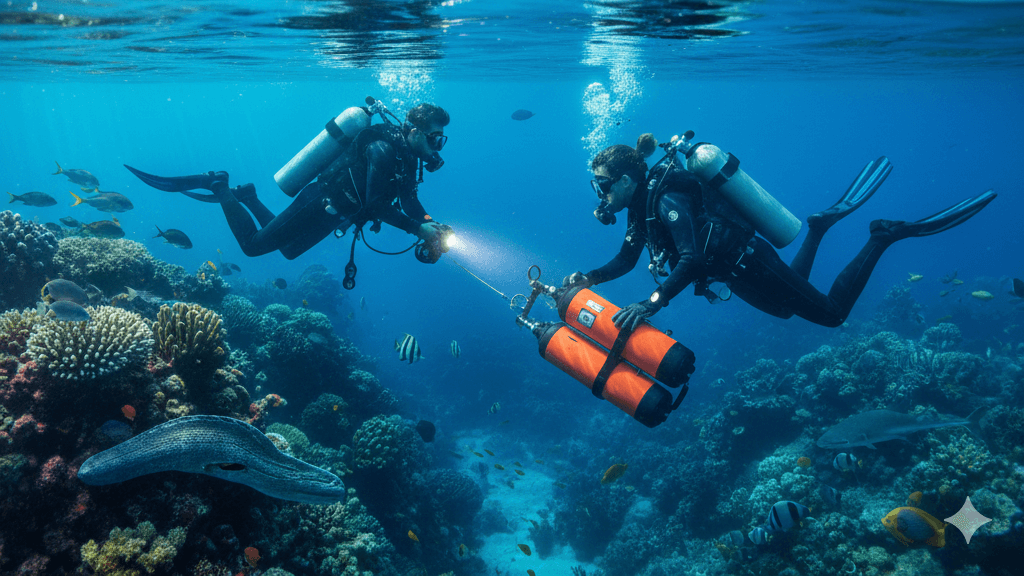
Take your diving skills to the next level with these advanced techniques and certifications. From technical diving to specialized environments, expand your underwater capabilities.
Once you've mastered the basics and logged dozens of dives, you might find yourself ready for new challenges. Advanced diving opens up a whole new world of possibilities—from exploring deep wrecks and mysterious caves to extending your bottom time and diving in challenging conditions.
This guide explores advanced diving techniques, specialized certifications, and the skills that will elevate you from a competent diver to a true underwater expert.
Beyond Open Water: The Path Forward
Advanced diving isn't just about going deeper or staying longer—it's about developing precision skills, expanding your knowledge, and diving more safely in a wider variety of environments.
Before you proceed: Advanced diving requires solid foundational skills. Ensure you're completely comfortable with buoyancy control, navigation, and emergency procedures before tackling advanced techniques.
Essential Advanced Certifications
Advanced Open Water Diver
Your first step into advanced diving. This certification introduces you to different diving specialties through five adventure dives.
Core dives:
- Deep Dive: Learn to safely dive to 30 meters (100 feet)
- Navigation: Master underwater compass navigation and natural navigation
- Plus three electives: Night, wreck, drift, peak performance buoyancy, or others
Benefits: Increased depth limit, better navigation skills, and exposure to different diving environments.
Rescue Diver
Often called the most rewarding course you'll ever take, Rescue Diver training teaches you to prevent and manage dive emergencies.
Skills you'll learn:
- Recognizing and responding to diver stress
- Emergency management and equipment
- Rescuing panicked and unresponsive divers
- Accident scenario management
- Emergency oxygen administration
Why it matters: This certification makes you a safer, more confident diver and prepares you for leadership roles.
Technical Diving: Pushing the Limits
Technical diving extends beyond recreational limits, using specialized equipment and procedures to explore deeper depths and longer dive times.
Nitrox (Enriched Air) Diving
The gateway to technical diving. Nitrox contains higher oxygen percentages than regular air, allowing longer no-decompression limits and shorter surface intervals.
Benefits:
- Extended bottom time at recreational depths
- Reduced nitrogen absorption
- Shorter surface intervals between dives
- Less post-dive fatigue for many divers
Important: Nitrox requires careful oxygen percentage verification and maximum depth calculations to avoid oxygen toxicity.
Deep Diving Techniques
Recreational diving typically limits you to 40 meters (130 feet), but technical deep diving can take you much deeper.
Key considerations:
- Nitrogen narcosis: Depth affects judgment and coordination. Know your limits
- Gas management: Deeper dives consume air faster; precise planning is critical
- Ascent planning: Deep dives require slower ascents and safety stops
- Equipment redundancy: Backup lights, regulators, and cutting tools are essential
Decompression Diving
Moving beyond no-decompression limits requires staged decompression stops during ascent.
What's involved:
- Using dive computers or tables to plan mandatory stops
- Carrying decompression gases (often high-oxygen mixes)
- Extended dive planning and gas management
- Team diving with redundant equipment
Training required: Technical decompression procedures (TDI, IANTD, or equivalent) course.
Specialized Environments
Wreck Diving
Exploring shipwrecks combines history, adventure, and technical skill.
Levels of wreck diving:
- Non-penetration: Swimming around the outside of wrecks
- Limited penetration: Entering areas with natural light and direct access to exits
- Full penetration: Advanced wreck diving deep inside structures (requires specialized training)
Advanced techniques:
- Using guide lines for navigation in zero visibility
- Identifying and avoiding entanglement hazards
- Understanding wreck deterioration and collapse risks
- Proper fin techniques to avoid stirring up silt
- Wreck mapping and artifact identification
Cave and Cavern Diving
Cave diving is one of the most challenging and rewarding forms of diving, but it's also one of the most dangerous without proper training.
Cavern vs. Cave:
- Cavern: Natural light visible, direct ascent to surface, limited penetration
- Cave: No natural light, overhead environment, extended penetration
Essential cave diving skills:
- Perfect buoyancy and trim to avoid silting
- Guide line protocols and navigation
- Gas management (rule of thirds minimum)
- Light discipline and backup systems
- Team communication in zero visibility
Never enter a cave without proper training. Cave diving has claimed many experienced divers who ventured in unprepared.
Drift Diving Mastery
Advanced drift diving in strong currents requires specific techniques and planning.
Advanced drift techniques:
- Current reading: Understanding how currents affect different depths
- Negative entries: Descending quickly to avoid surface drift
- Flying the reef: Using current to effortlessly glide over reefs
- SMB deployment: Deploying surface marker buoys in current
- Team positioning: Staying together in challenging conditions
Ice Diving
Diving under ice offers unique beauty but demands specialized skills and equipment.
Critical considerations:
- Cold water exposure protection (drysuits, hoods, gloves)
- Regulator freeze prevention
- Safety line protocols with surface tenders
- Limited entry/exit point management
- Emergency procedures for ice diving
Advanced Equipment Configurations
Sidemount Diving
Carrying tanks at your sides instead of on your back offers advantages for certain diving situations.
Benefits:
- Easier tank handling (no heavy lifting onto your back)
- Better streamlining in tight spaces
- Independent gas redundancy
- Improved trim and buoyancy control
- Ideal for cave diving and wreck penetration
Rebreather Diving
Closed-circuit rebreathers (CCRs) recycle your breath, offering significant advantages over open-circuit scuba.
Advantages:
- Extended dive times (3-5 hours on one fill)
- No bubbles (ideal for wildlife photography)
- Optimal gas mixture at all depths
- Reduced decompression obligations
- Warmer, moister breathing gas
Challenges:
- High initial cost and maintenance
- Steep learning curve
- Pre-dive preparation time
- Regular maintenance and testing required
Advanced Navigation Skills
Moving beyond basic compass navigation to expert-level techniques.
Natural navigation mastery:
- Reading sand ripples and wave patterns
- Using sun angles and shadows
- Recognizing reef formations and landmarks
- Understanding current patterns
- Mental mapping of dive sites
Technical navigation:
- Multi-level navigation patterns
- Search patterns for lost objects or divers
- Navigation in zero visibility
- Using natural features as reference points
- Integrating digital compasses and dive computers
Gas Management and Planning
Advanced diving requires meticulous gas planning beyond the basic "be back with 50 bar" rule.
Rule of thirds: Use 1/3 of your gas going out, 1/3 returning, and reserve 1/3 for emergencies. Essential for overhead environments and technical dives.
SAC rate calculation: Know your Surface Air Consumption rate to accurately predict gas usage at different depths and workloads.
Multi-gas diving: Using different gas mixes for different phases of a dive (travel gas, bottom gas, decompression gas).
Solo Diving
While diving with a buddy is always recommended, some experienced divers choose solo diving for specific situations.
Solo diving requirements:
- Extensive diving experience (100+ dives minimum)
- Complete equipment redundancy (backup regulator, air source, cutting tool, lights, etc.)
- Self-reliance skills and problem-solving ability
- Conservative dive planning
- Solo diver certification recommended
Not for everyone: Solo diving carries increased risk and requires excellent self-awareness and judgment.
Underwater Photography and Videography
Advanced diving often involves documenting your adventures.
Advanced techniques:
- Balancing camera handling with dive safety
- Advanced strobe positioning and lighting
- Behavioral photography (anticipating animal movements)
- Wide-angle composition in challenging conditions
- Super-macro photography of tiny subjects
Fitness and Physical Conditioning
Advanced diving is physically demanding. Maintaining fitness is crucial for safety and enjoyment.
Recommended training:
- Cardiovascular fitness: Swimming, running, or cycling for stamina
- Core strength: Essential for equipment handling and trim
- Flexibility: Helps with reaching valves and equipment
- Breath hold training: Improves gas consumption and emergency preparedness
Mental Preparation and Stress Management
Advanced diving challenges you mentally as much as physically.
Develop these mental skills:
- Staying calm under pressure
- Problem-solving in challenging conditions
- Situational awareness
- Knowing when to call a dive
- Accepting your limitations
Continuing Education
The learning never stops in diving. Advanced divers continuously expand their knowledge and skills.
Ways to keep improving:
- Regular skills practice and refreshers
- Specialty certifications in areas of interest
- Workshops and clinics with expert divers
- Diving in new locations and conditions
- Reading diving literature and incident reports
- Mentoring newer divers (teaching reinforces learning)
Safety Considerations for Advanced Diving
With increased capabilities comes increased responsibility.
Always remember:
- Get proper training before attempting new diving activities
- Use appropriate equipment for the dive
- Plan dives thoroughly and dive the plan
- Don't let ego override judgment
- Know your limits and respect them
- Have an emergency action plan
- Maintain your equipment meticulously
The Advanced Diving Mindset
What separates truly advanced divers from those who simply have advanced certifications?
Advanced divers:
- Never stop learning and improving
- Prioritize safety over ego
- Are honest about their limitations
- Plan meticulously and adapt when needed
- Share knowledge generously with others
- Respect the ocean and marine life
- Lead by example in the diving community
Your Path to Advanced Diving
Advanced diving isn't a destination—it's a journey of continuous improvement. Whether you're drawn to technical diving, specialized environments, or simply want to be the best diver you can be, there's always a new challenge waiting beneath the waves.
Start with solid foundational skills, get proper training, dive within your limits, and never stop learning. The underwater world has infinite depths to explore, both literally and figuratively.
Remember: The best diver isn't the one who goes deepest or stays longest—it's the one who dives safely, responsibly, and comes back eager to dive again.
Ready to take your diving to the next level? We offer advanced training courses and specialty certifications. Contact us to discuss your diving goals!
Ready to Dive In?
Join us for an unforgettable underwater adventure. Book your dive today and experience the beauty of the ocean!
Related Articles
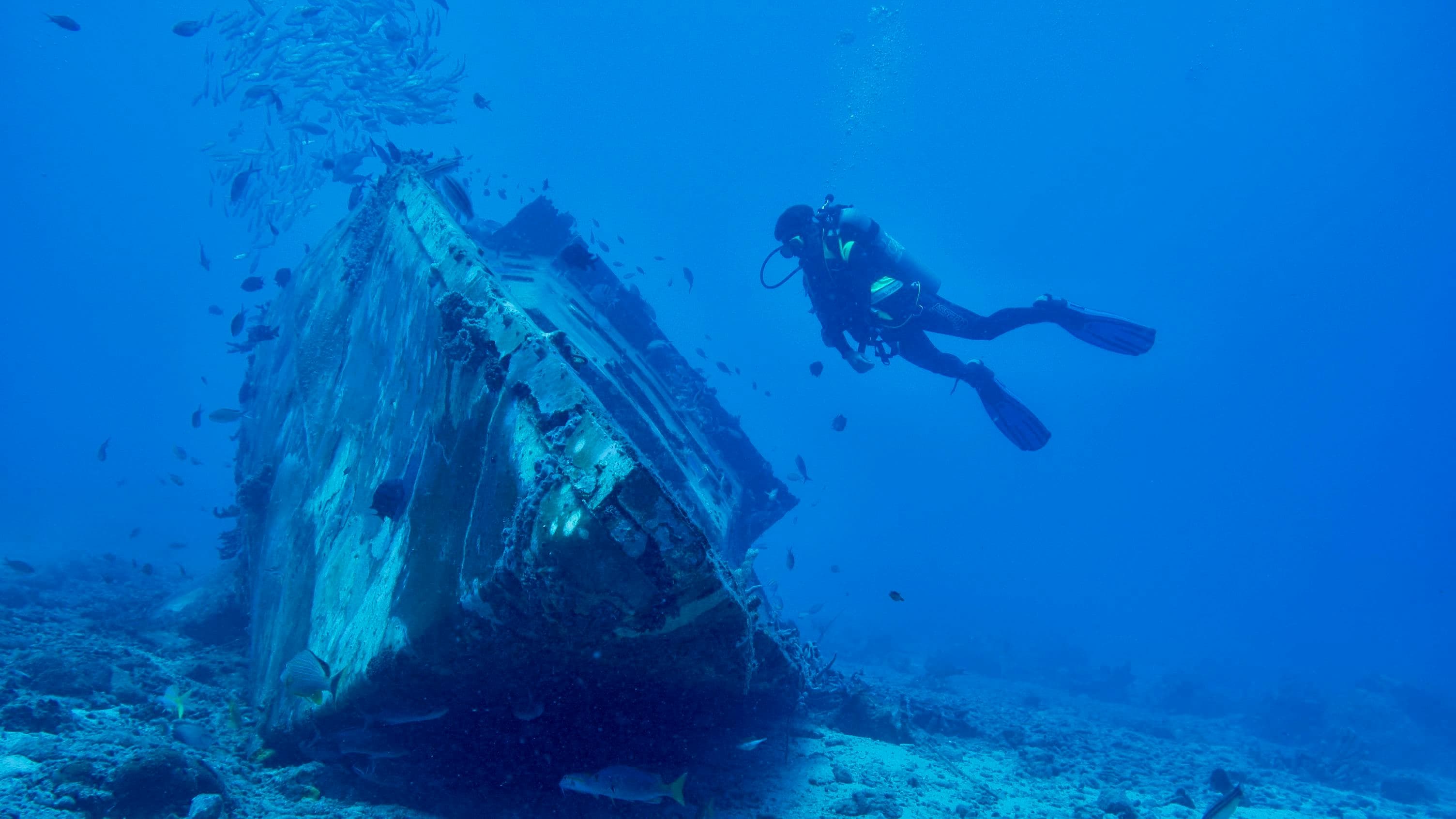
Top 10 Dive Sites in the Philippines
Discover the most breathtaking underwater locations in the Philippine archipelago, from coral gardens to historic wrecks.
Read More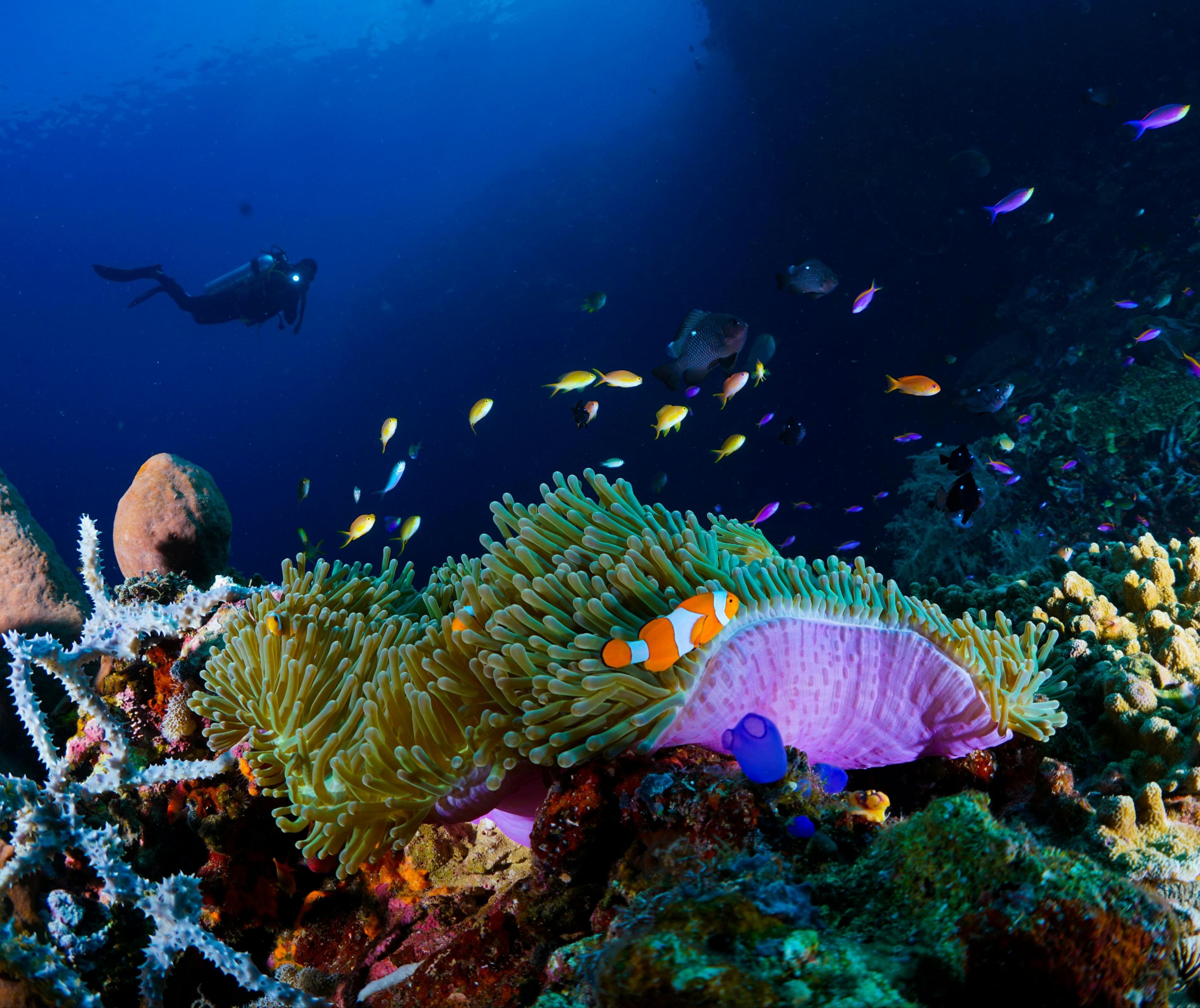
Complete Guide to Your First Dive
Everything you need to know before taking your first plunge into the underwater world. From what to expect to essential tips for a safe and amazing experience.
Read More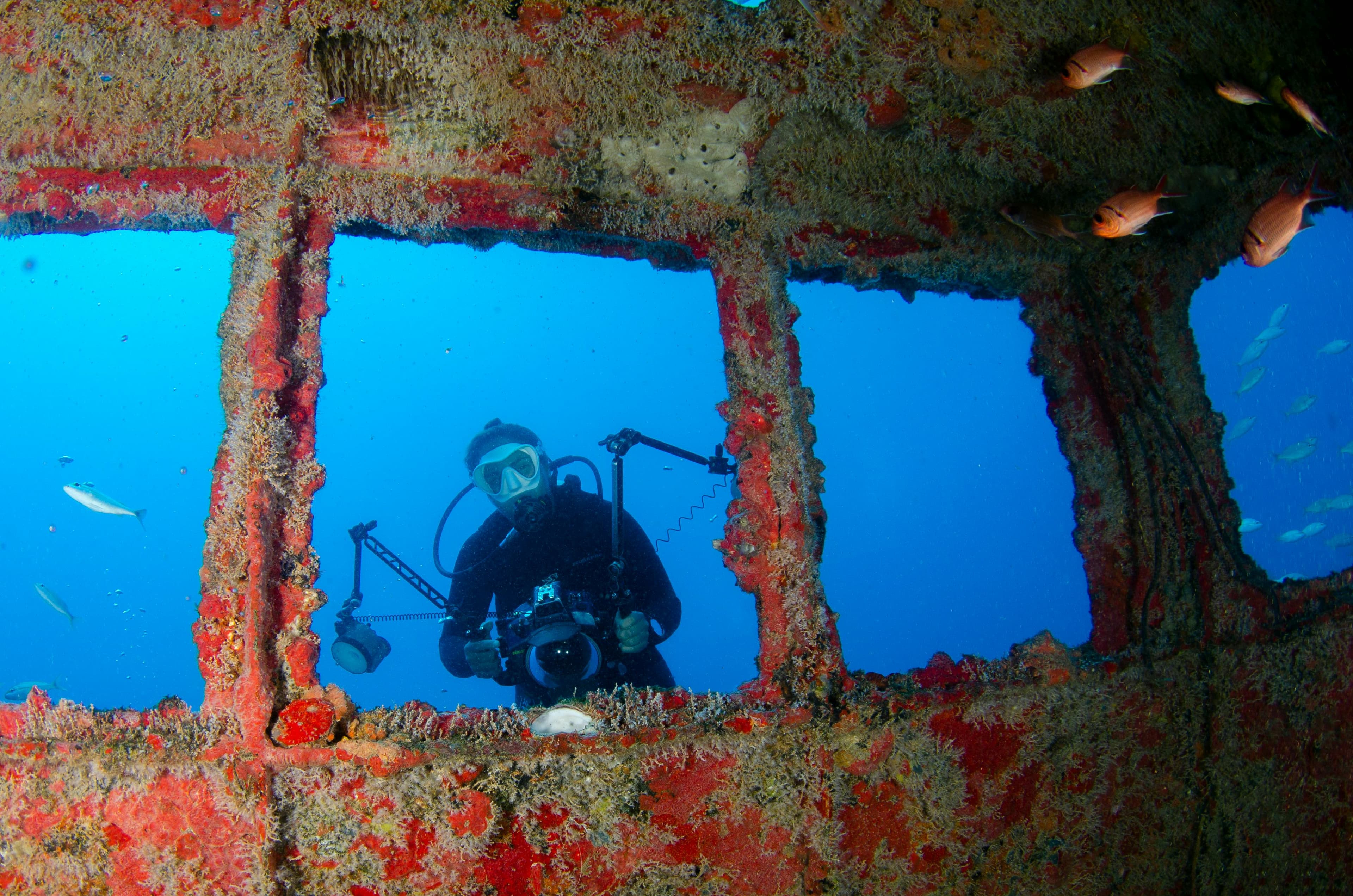
Underwater Photography Tips for Divers
Capture the beauty of marine life with these essential photography techniques and equipment recommendations. Transform your diving adventures into stunning visual memories.
Read More