Essential Diving Equipment: A Complete Guide

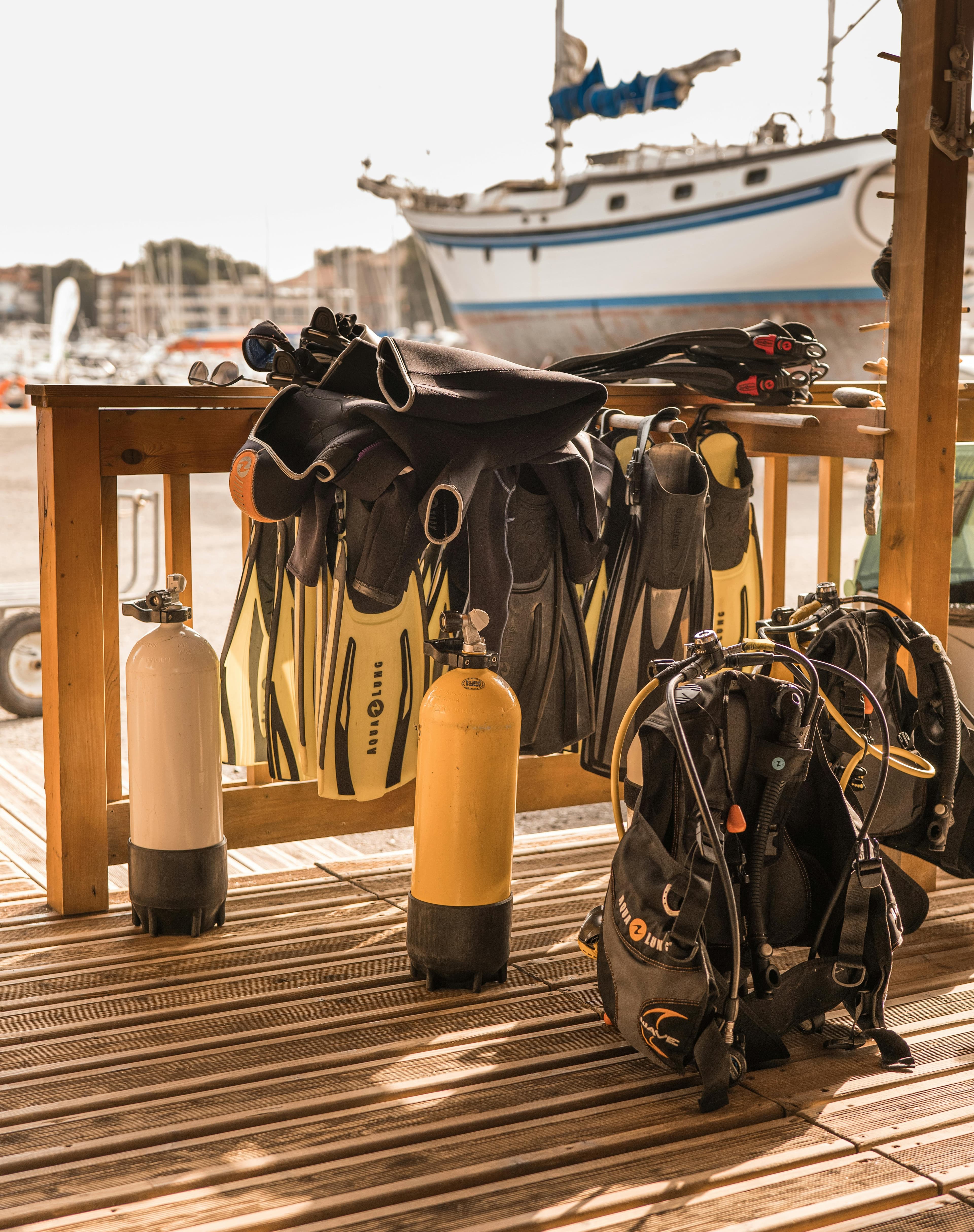
From masks to fins, understand the gear you need for safe and enjoyable diving experiences. Learn how to choose, maintain, and get the most from your diving equipment.
Walking into a dive shop for the first time can be overwhelming. Racks of colorful fins, walls of masks, regulators with mysterious gauges, and equipment you can't even name. What do you actually need? What should you buy first? How do you choose quality gear that fits your diving style?
This comprehensive guide breaks down all the essential diving equipment, helping you make informed decisions whether you're a beginner buying your first gear or an experienced diver upgrading your kit.
The Basic Diving Equipment Package
Diving equipment can be divided into categories: essential items everyone needs, and specialty gear for specific types of diving. Let's start with the basics.
1. The Mask
Your mask is your window to the underwater world. It creates an air space in front of your eyes, allowing you to see clearly beneath the surface.
What to look for:
- Proper fit: The mask should seal comfortably without the strap. Hold it to your face and inhale through your nose—it should stay on
- Tempered glass: Safety essential—regular glass can shatter
- Low volume: Less air space means easier clearing and equalization
- Silicone skirt: Clear or colored silicone lasts longer than rubber
- Wide field of view: Enhances situational awareness
Types of masks:
- Single lens: Maximum field of view, popular choice
- Two lens: Allows prescription lenses to be fitted
- Full face: For professional diving or communication systems
Prescription options: If you wear glasses, you can get prescription lenses, stick-on bifocals, or wear contact lenses with a regular mask.
Maintenance tip: New masks have a protective film. Remove it by scrubbing with toothpaste or burning with a lighter, then defog before each dive.
2. Snorkel
While often overlooked, a snorkel is essential for conserving air at the surface and during surface swims.
Features to consider:
- Simple J-tube: Traditional, reliable design
- Purge valve: Makes clearing water easier
- Flexible tube: More comfortable, reduces jaw fatigue
- Dry top: Prevents water entry when waves splash over
Pro tip: Simpler is often better. Fancy features can break or malfunction.
3. Fins
Fins provide propulsion underwater, transforming your legs into powerful swimming tools.
Types of fins:
- Full foot (closed heel): Worn barefoot, popular for warm water diving and snorkeling. More efficient but requires precise sizing
- Open heel (adjustable): Worn with booties, better for varying temperatures and easier to don/doff
Blade styles:
- Paddle fins: Traditional design, reliable and affordable
- Split fins: Less effort required, good for older divers or those with knee issues
- Force fins: Specialized design for technical diving
Choosing fins:
- Stiffer blades = more power but require stronger legs
- Longer blades = more thrust per kick but harder to maneuver
- Consider your diving style: photographers need maneuverability, tech divers need power
4. Wetsuit or Exposure Protection
Even in tropical waters, you need thermal protection. Water conducts heat 25 times faster than air.
Types of exposure suits:
- Wetsuit (3mm-7mm): Neoprene suit that traps a thin layer of water your body warms. Most common for recreational diving
- Shorty/Spring suit: Short arms/legs, for very warm water
- Semi-dry suit: Better seals reduce water exchange, warmer than wetsuit
- Drysuit: Keeps you completely dry, for cold water diving
- Rash guard: Sun protection only, no thermal protection
Wetsuit thickness guide:
- 3mm: Water 24°C+ (75°F+)
- 5mm: Water 18-24°C (64-75°F)
- 7mm: Water 10-18°C (50-64°F)
- Drysuit: Water below 15°C (60°F)
Fit is critical: A wetsuit should fit snugly without restricting movement or breathing. Gaps reduce thermal protection.
5. Buoyancy Control Device (BCD)
Your BCD is a vest that inflates and deflates, allowing you to control your buoyancy underwater.
Types of BCDs:
- Jacket style: Most common for recreational diving, inflates around torso, comfortable at surface
- Back inflate: Air cell behind you, better trim underwater, preferred by many advanced divers
- Wing (backplate and wing): Technical diving setup, maximum modularity
Key features:
- Integrated weights: Eliminates separate weight belt
- D-rings: Attachment points for accessories
- Dump valves: Quick air release for ascending
- Size and fit: Should be snug but not restrictive
Lift capacity: Should be able to float you and your gear at the surface, typically 12-18kg (25-40lbs) of lift.
6. Regulator
Your regulator is your life support system—it reduces tank pressure and delivers breathable air on demand.
Components:
- First stage: Attaches to tank, reduces pressure from 200+ bar to intermediate pressure
- Second stage: Goes in your mouth, delivers air when you inhale
- Alternate air source: Backup regulator (octopus) for emergencies
- Low-pressure hose: Connects to BCD for inflation
- High-pressure hose: Connects to pressure gauge
What makes a good regulator:
- Easy breathing: Minimal effort at depth
- Cold water rating: If diving in cold water, essential
- Adjustable breathing: Allows tuning for conditions
- Reliable brand: Stick with established manufacturers
Maintenance: Annual servicing is critical. Regulators are life support equipment.
7. Dive Computer
While not technically required (you can use dive tables), a dive computer is considered essential safety equipment today.
What it does:
- Tracks depth and time
- Calculates nitrogen absorption
- Provides no-decompression limits
- Plans repetitive dives
- Logs dive data
Types:
- Wrist-mounted: Most common, worn like a watch
- Console-mounted: Integrated with gauges
- AI (Air-integrated): Wirelessly monitors tank pressure
Features to consider:
- Conservative algorithms: Safer for recreational diving
- User-replaceable battery: Convenience and cost savings
- Nitrox capability: Future-proofing your investment
- Readable display: Large numbers, backlight
- Dive log capability: Track your diving history
8. Gauges (SPG - Submersible Pressure Gauge)
Unless you have an air-integrated computer, you need a pressure gauge to monitor your air supply.
Console options:
- Pressure gauge only: Simple and reliable
- Two-gauge: Pressure + depth gauge
- Three-gauge: Pressure + depth + compass
Pro tip: If you have a dive computer, a simple SPG is all you need.
9. Weights and Weight System
Weights counteract the buoyancy of your wetsuit and body, allowing you to descend and maintain neutral buoyancy.
Weight systems:
- Weight belt: Traditional, inexpensive, uncomfortable for some
- Integrated weights: Built into BCD, more comfortable, easier to don
- Ankle weights: Helps with trim (feet-up floaters)
How much weight: Depends on your body composition, wetsuit thickness, and tank type. Start with a buoyancy check and adjust from there.
Quick release: All weight systems should be quickly ditchable in emergencies.
10. Dive Knife or Cutting Tool
Essential safety equipment for cutting free from fishing line, nets, or kelp.
Options:
- Traditional dive knife: Pointed blade, serrated edge
- Line cutter: Small, Z-shaped cutter (safer in some environments)
- Trauma shears: Can't puncture anything, cuts through most materials
Placement: BCD pocket, leg strap, or BCD shoulder—wherever you can reach it quickly.
Additional Important Gear
Dive Light
Not just for night diving—lights reveal colors at depth and help you see into crevices.
Types:
- Primary light: Bright, long-lasting for night or overhead diving
- Backup light: Compact, for emergencies
- Video light: Wide beam for photography
Surface Marker Buoy (SMB)
Inflatable surface marker that makes you visible to boats during ascent and safety stops.
Types:
- Safety sausage: Open bottom, inflated orally at surface
- DSMB (Delayed): Closed, inflated and deployed at depth
Dive Bag
Quality gear bag protects your investment and makes transport easier.
Features to look for:
- Mesh panels for drainage and drying
- Separate wet/dry compartments
- Padded straps for heavy loads
- Durable materials that resist salt water
Buying New vs. Used Equipment
Best to buy new:
- Regulator (life support equipment)
- Dive computer (safety critical)
- Mask (needs perfect fit)
OK to buy used if inspected:
- BCD (if in good condition)
- Fins (if not damaged)
- Wetsuit (if fits well and no tears)
- Weights and accessories
Red flags for used equipment:
- No service history (especially regulators)
- Visible damage or heavy wear
- Outdated models that can't be serviced
- Suspiciously cheap prices
Equipment Maintenance
Proper care extends equipment life and ensures safety.
After every dive:
- Rinse everything thoroughly with fresh water
- Soak regulator (without pressurizing) for 30 minutes
- Hang wetsuit to dry inside-out in shade
- Dry BCD interior by inflating with mouth
Storage:
- Store in cool, dry place away from sunlight
- Hang wetsuit on wide hanger
- Store regulator in protective bag
- Partially inflate BCD for storage
Annual service:
- Regulator: Must be serviced annually by certified technician
- BCD: Check inflator mechanism, valves, and zippers
- Computer: Battery replacement, function check
Building Your Kit Over Time
You don't need to buy everything at once. Here's a suggested priority order:
First purchase (the basics):
- Mask, snorkel, fins
- Booties (if using open-heel fins)
Second purchase:
- Dive computer
- Wetsuit or exposure protection
Third purchase (committed diver):
- Regulator set
- BCD
- Gauges
Additional gear as needed:
- Weights (often provided by dive shops)
- Cutting tool
- SMB
- Light
- Dive bag
Budget Considerations
Entry-level package: $1,000-2,000 (mask, fins, computer, wetsuit, basic accessories)
Complete recreational setup: $2,500-4,000 (everything you need)
High-end equipment: $5,000+ (top-quality brands, advanced features)
Money-saving tips:
- Buy package deals from dive shops
- Watch for end-of-season sales
- Consider previous year's models
- Invest in quality for items you'll keep long-term
- Budget options are fine for accessories
Renting vs. Owning
Keep renting if:
- You dive less than 10 times per year
- You dive in different conditions (tropical vs. cold water)
- You're still developing preferences
- Budget is very tight
Buy your own if:
- You dive regularly (10+ times per year)
- Fit and comfort are important to you
- You want consistent, familiar equipment
- You're committed to diving long-term
Final Thoughts
The right equipment enhances safety, comfort, and enjoyment underwater. While it's tempting to buy the cheapest option or splurge on high-end gear, the best equipment is what fits you properly, meets your diving needs, and you'll actually use.
Don't rush your purchases. Try different equipment through rentals, talk to experienced divers, and ask instructors for recommendations. Your dive shop can help you find equipment that matches your budget, diving style, and future goals.
Remember: The best gear in the world won't make you a better diver—practice, training, and experience do that. But the right equipment will keep you safe and comfortable while you build those skills.
Need help choosing equipment? Visit us at the dive center! We'll help you find gear that fits your needs and budget.
Ready to Dive In?
Join us for an unforgettable underwater adventure. Book your dive today and experience the beauty of the ocean!
Related Articles
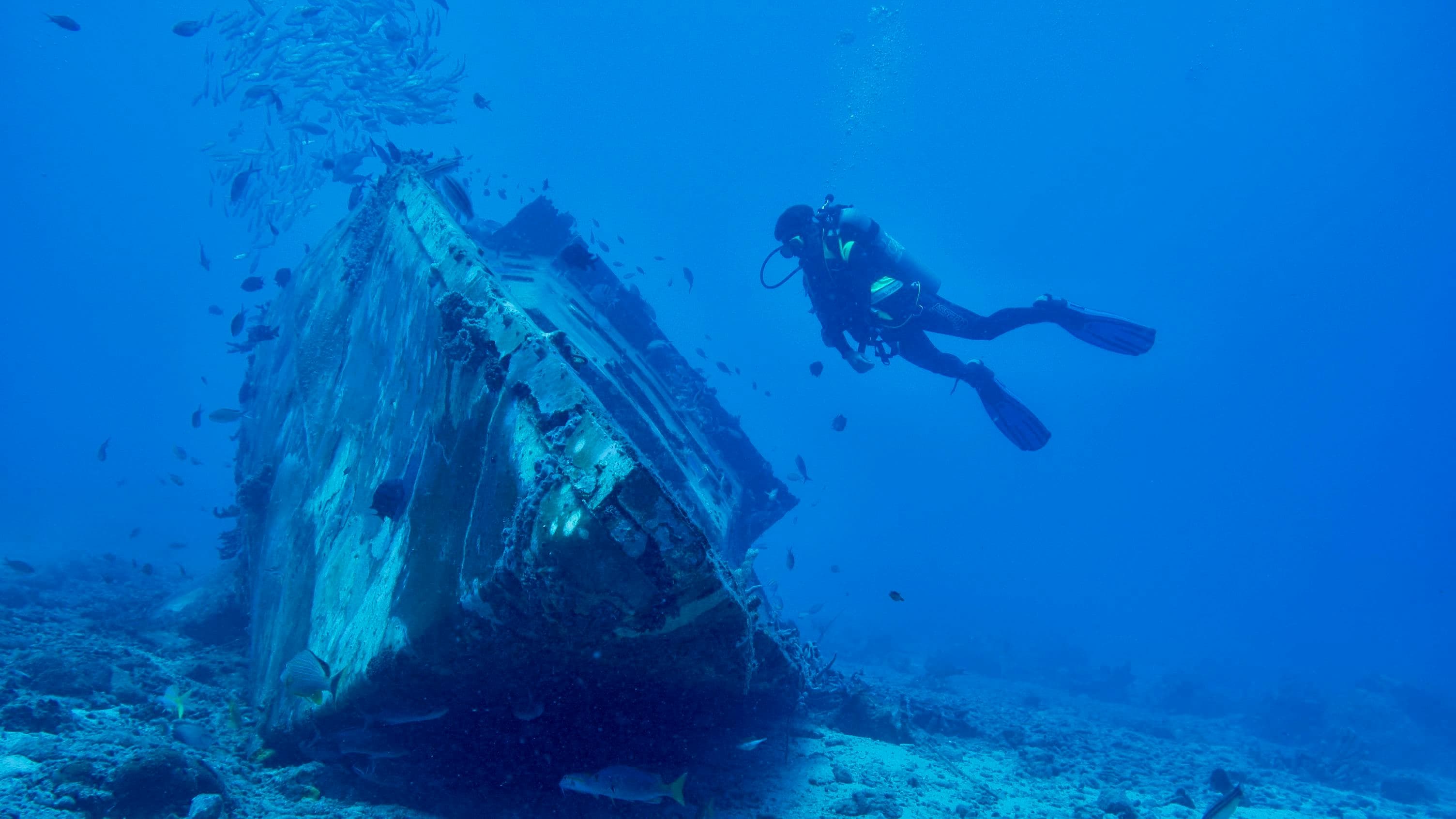
Top 10 Dive Sites in the Philippines
Discover the most breathtaking underwater locations in the Philippine archipelago, from coral gardens to historic wrecks.
Read More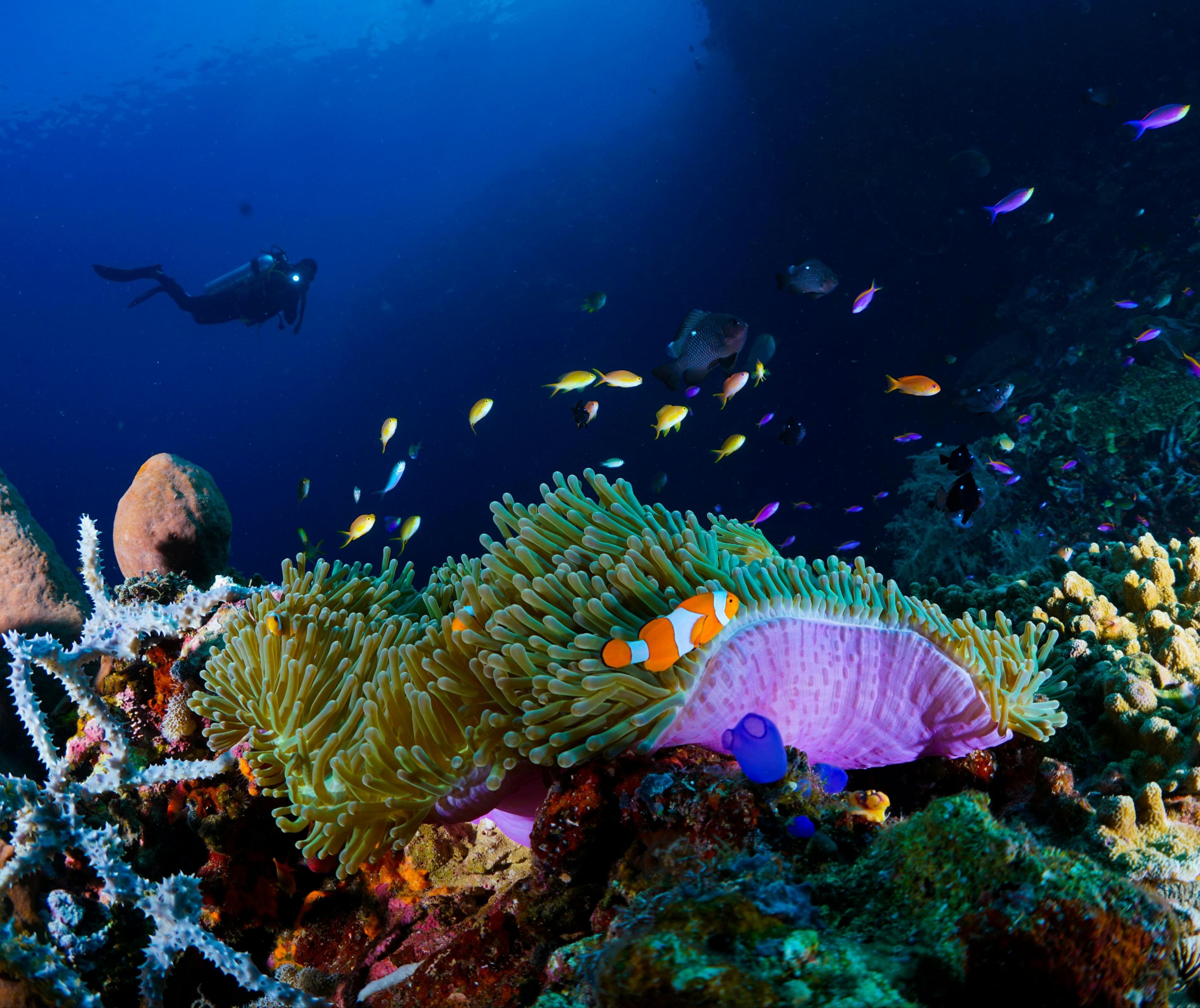
Complete Guide to Your First Dive
Everything you need to know before taking your first plunge into the underwater world. From what to expect to essential tips for a safe and amazing experience.
Read More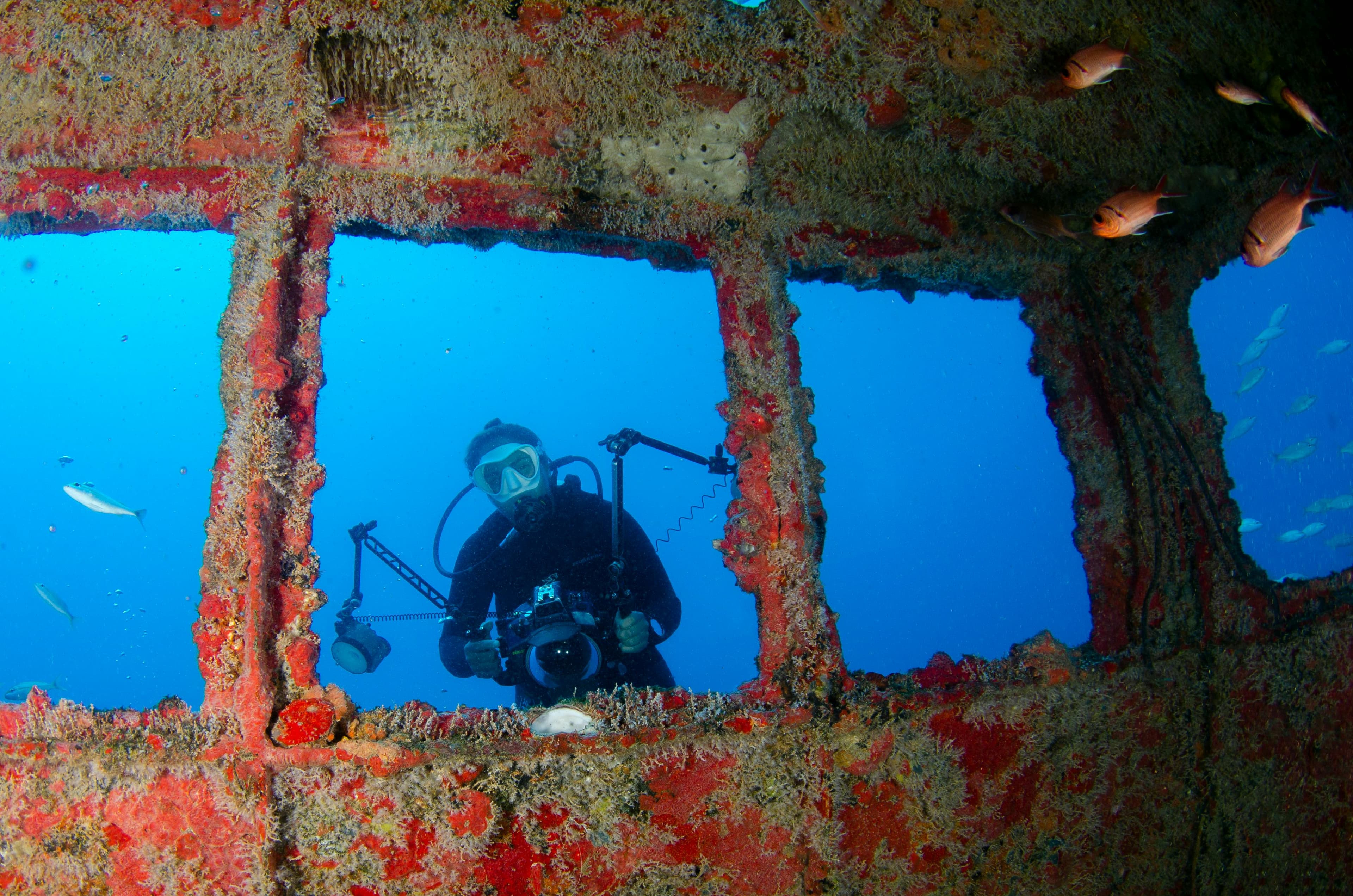
Underwater Photography Tips for Divers
Capture the beauty of marine life with these essential photography techniques and equipment recommendations. Transform your diving adventures into stunning visual memories.
Read More