Protecting Our Ocean: Conservation Efforts
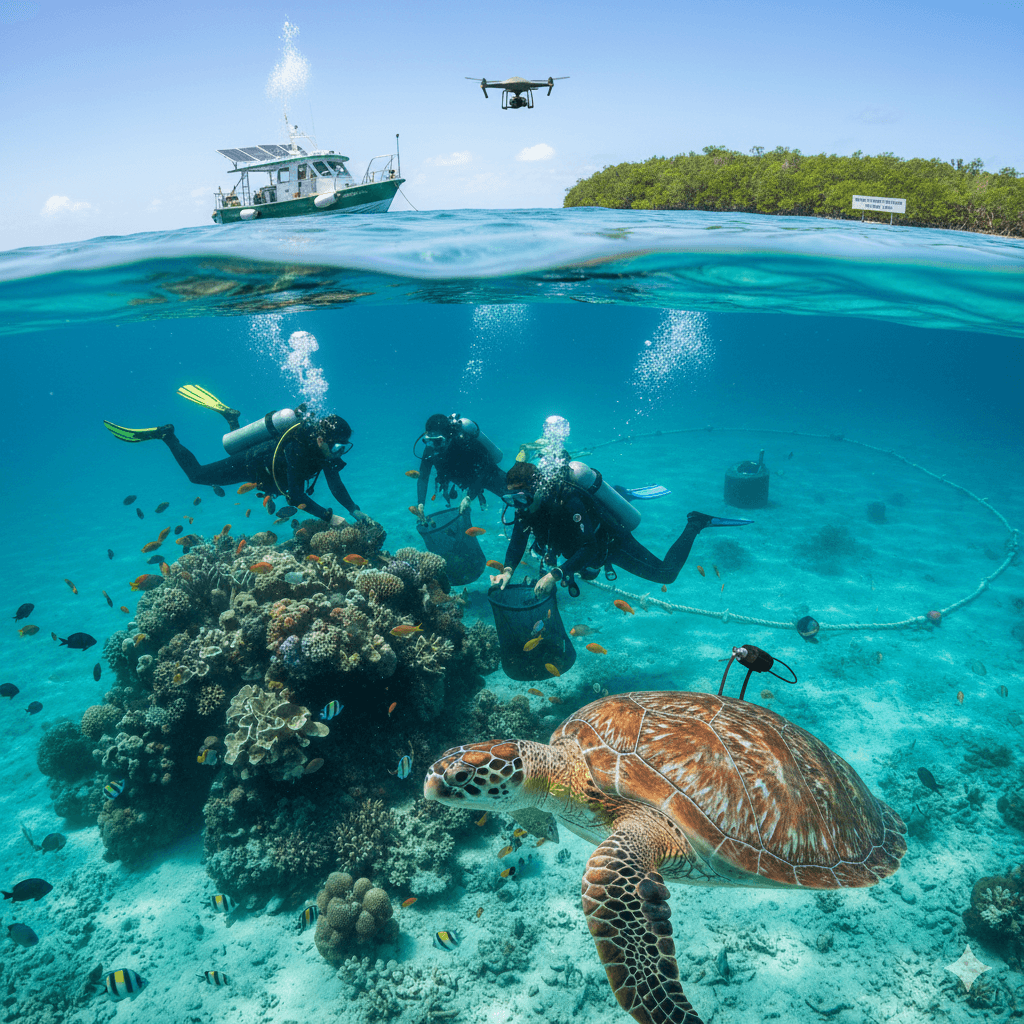
Learn how divers can contribute to marine conservation and protect our precious underwater ecosystems. Discover the challenges facing our oceans and what we can do to help.
As divers, we're privileged to witness the incredible beauty and diversity of marine life firsthand. But with this privilege comes responsibility. Our oceans face unprecedented threats from climate change, pollution, overfishing, and habitat destruction. The good news? Divers are uniquely positioned to make a real difference in ocean conservation.
This guide explores the challenges our oceans face and, more importantly, the concrete actions we can take to protect them for future generations.
The State of Our Oceans
The numbers are sobering but important to understand:
- 50% of coral reefs have been lost in the past 30 years
- 90% of large fish populations have been depleted
- 8 million tons of plastic enter our oceans every year
- Ocean temperatures continue to rise, causing coral bleaching events
- Overfishing threatens entire marine ecosystems
These challenges can feel overwhelming, but every action counts. As divers, we can be part of the solution.
Practice Responsible Diving
The foundation of ocean conservation starts with how we dive.
Perfect Your Buoyancy: Poor buoyancy control is one of the biggest threats to coral reefs from recreational diving. Divers accidentally kicking, touching, or standing on coral can destroy decades of growth in seconds.
- Take a Peak Performance Buoyancy course
- Practice in a pool or sandy area before diving on reefs
- Keep your gear streamlined to avoid accidental contact
- Hover motionless without touching anything
Look But Don't Touch: Marine life is fascinating, but touching damages protective mucus layers on fish and coral, making them vulnerable to disease. Resist the urge to handle marine creatures, no matter how cute they are.
Watch Your Fins: More coral is damaged by fins than any other piece of equipment. Always be aware of what's behind you, especially when turning or photographing.
Secure Your Equipment: Dangling gauges, octopus regulators, and camera equipment can drag across reefs. Clip everything securely to your BCD.
Choose Eco-Friendly Dive Operators
Your choice of dive operator makes a difference. Support businesses committed to conservation:
- Green Fins certified operators: Follow international standards for sustainable diving
- Marine park fees: Choose operators who contribute to local conservation efforts
- Small group sizes: Fewer divers mean less impact on dive sites
- Environmental education: Operators who brief divers on conservation practices
- Mooring buoys: Boats that use moorings instead of anchoring on reefs
Reduce Your Plastic Footprint
Plastic pollution is devastating our oceans. Every piece of plastic ever made still exists somewhere—much of it in our seas.
Simple changes that make a big impact:
- Bring reusable water bottles on dive trips
- Say no to single-use plastics (straws, bags, utensils)
- Use reef-safe sunscreen in non-plastic containers
- Choose dive gear made from sustainable materials when possible
- Properly dispose of or recycle old dive equipment
Join Beach and Underwater Cleanups
Direct action makes a visible difference. Beach and underwater cleanups remove harmful debris while raising awareness about pollution.
How to get involved:
- Participate in International Coastal Cleanup Day (September)
- Join local dive club cleanup initiatives
- Organize your own cleanup with fellow divers
- Always carry a mesh bag to collect trash during regular dives
- Document what you collect to contribute to pollution research
Safety first: Never pick up anything that might be dangerous (fishing hooks, broken glass, medical waste). Use gloves and tools to safely collect debris.
Support Marine Protected Areas
Marine Protected Areas (MPAs) are like national parks for the ocean—zones where marine life is protected from fishing, development, and other threats.
How MPAs help:
- Fish populations can recover and grow
- Coral reefs regenerate naturally
- Biodiversity increases
- Species have safe breeding grounds
- Benefits spill over to surrounding areas
What you can do:
- Pay MPA entrance fees willingly—they fund conservation
- Follow all MPA rules strictly
- Support expansion of protected areas
- Dive in MPAs to show their economic value for tourism
- Advocate for better enforcement of protection measures
Use Reef-Safe Products
Many personal care products contain chemicals that harm coral reefs and marine life.
Reef-safe sunscreen: Avoid sunscreens containing oxybenzone and octinoxate, which damage coral DNA and contribute to bleaching. Look for mineral-based sunscreens with zinc oxide or titanium dioxide.
Other considerations:
- Biodegradable soaps and shampoos
- Natural insect repellents
- Eco-friendly cleaning products on dive boats
Sustainable Seafood Choices
Overfishing is one of the biggest threats to ocean health. Our food choices have a direct impact on marine ecosystems.
Make informed choices:
- Avoid endangered species (bluefin tuna, Chilean sea bass, sharks)
- Choose sustainably caught or farmed seafood
- Use seafood guides from WWF or Marine Stewardship Council
- Ask restaurants about sourcing practices
- Support local, small-scale fisheries that use sustainable methods
Citizen Science and Monitoring
Divers can contribute valuable data to marine research and conservation efforts.
Programs to join:
- Reef Check: Monitor coral reef health worldwide
- PADI Project AWARE: Report marine debris and participate in conservation dives
- iNaturalist: Document marine species sightings
- Coral Watch: Monitor coral bleaching
- Seahorse surveys: Track seahorse populations
Your observations help scientists track changes in marine ecosystems and identify areas needing protection.
Educate and Inspire Others
Share your passion for the ocean with others. Education creates more ocean advocates.
Ways to spread awareness:
- Share underwater photos and videos with conservation messages
- Talk to non-divers about what you've seen underwater
- Mentor new divers in responsible diving practices
- Support ocean documentaries and films
- Use social media to highlight conservation issues
Climate Action
Climate change is the biggest long-term threat to our oceans, causing warming, acidification, and sea level rise.
Individual actions:
- Reduce your carbon footprint (use less energy, drive less)
- Choose renewable energy when possible
- Reduce air travel or offset carbon emissions
- Support policies and politicians committed to climate action
- Plant trees or support reforestation projects
Support Conservation Organizations
Many organizations are doing critical work to protect our oceans. Your support—whether through donations, volunteering, or advocacy—amplifies their impact.
Organizations making a difference:
- Ocean Conservancy
- Coral Restoration Foundation
- Marine Conservation Institute
- Project AWARE Foundation
- The Ocean Cleanup
- Sea Shepherd Conservation Society
- Local marine conservation groups in your diving area
The Philippines: A Conservation Priority
The Philippines sits in the heart of the Coral Triangle, the most biodiverse marine region on Earth. Our waters are home to:
- Over 500 coral species (75% of all known coral species)
- 2,000+ fish species
- Five species of sea turtles
- Whale sharks, manta rays, and dugongs
Local conservation challenges:
- Dynamite and cyanide fishing
- Coastal development
- Plastic pollution
- Climate change impacts
How you can help locally:
- Support Philippine marine sanctuaries
- Participate in local reef monitoring programs
- Report illegal fishing activities
- Support sustainable tourism initiatives
- Buy from local conservation-focused businesses
Every Dive Can Make a Difference
Conservation isn't just about grand gestures—it's about consistent, mindful actions on every dive. Perfect your buoyancy. Pick up trash. Share your knowledge. Support sustainable operators. Make eco-friendly choices.
The ocean has given us so much—incredible experiences, unforgettable encounters, and a deeper connection to our planet. Now it's our turn to give back.
Remember: We don't need a handful of divers doing conservation perfectly. We need millions of divers doing it imperfectly. Every small action adds up to significant change.
Start Today
Choose one action from this guide and commit to it. Next dive, choose another. Before you know it, conservation will be a natural part of your diving practice.
The ocean needs us. Future generations of divers are counting on us to protect the underwater world we love.
Join us in our conservation efforts. Every dive is an opportunity to make a positive impact on our oceans!
Ready to Dive In?
Join us for an unforgettable underwater adventure. Book your dive today and experience the beauty of the ocean!
Related Articles
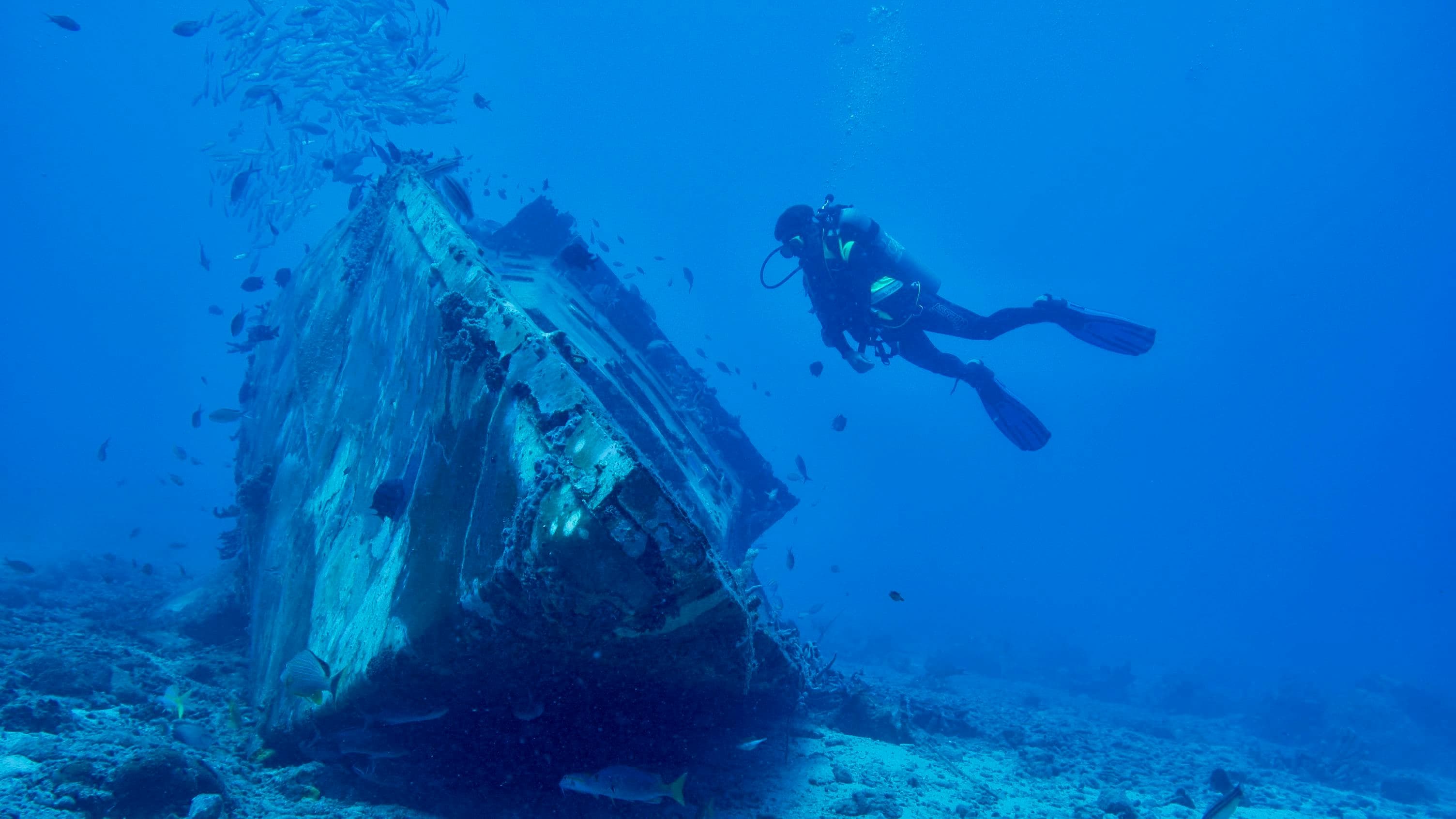
Top 10 Dive Sites in the Philippines
Discover the most breathtaking underwater locations in the Philippine archipelago, from coral gardens to historic wrecks.
Read More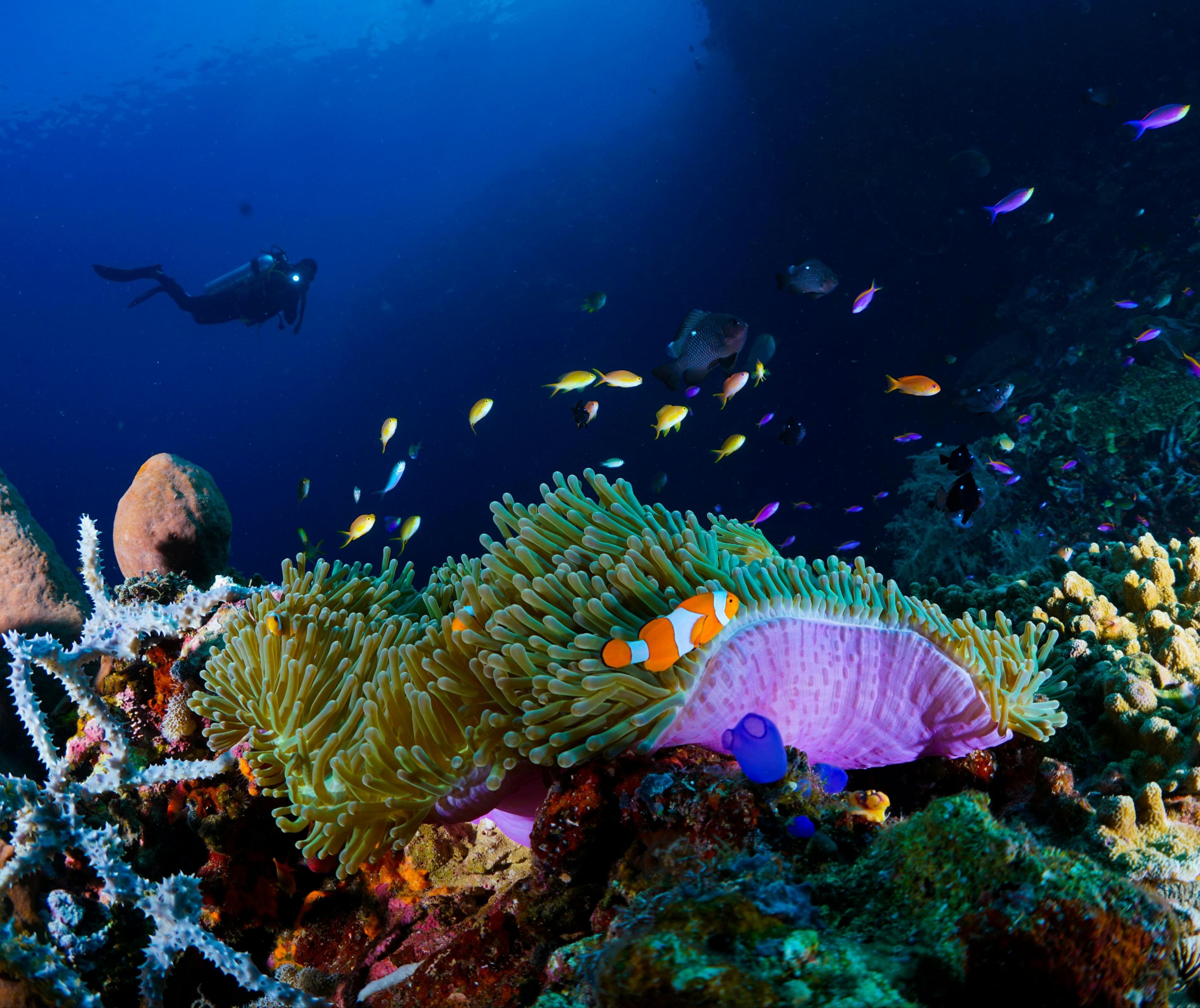
Complete Guide to Your First Dive
Everything you need to know before taking your first plunge into the underwater world. From what to expect to essential tips for a safe and amazing experience.
Read More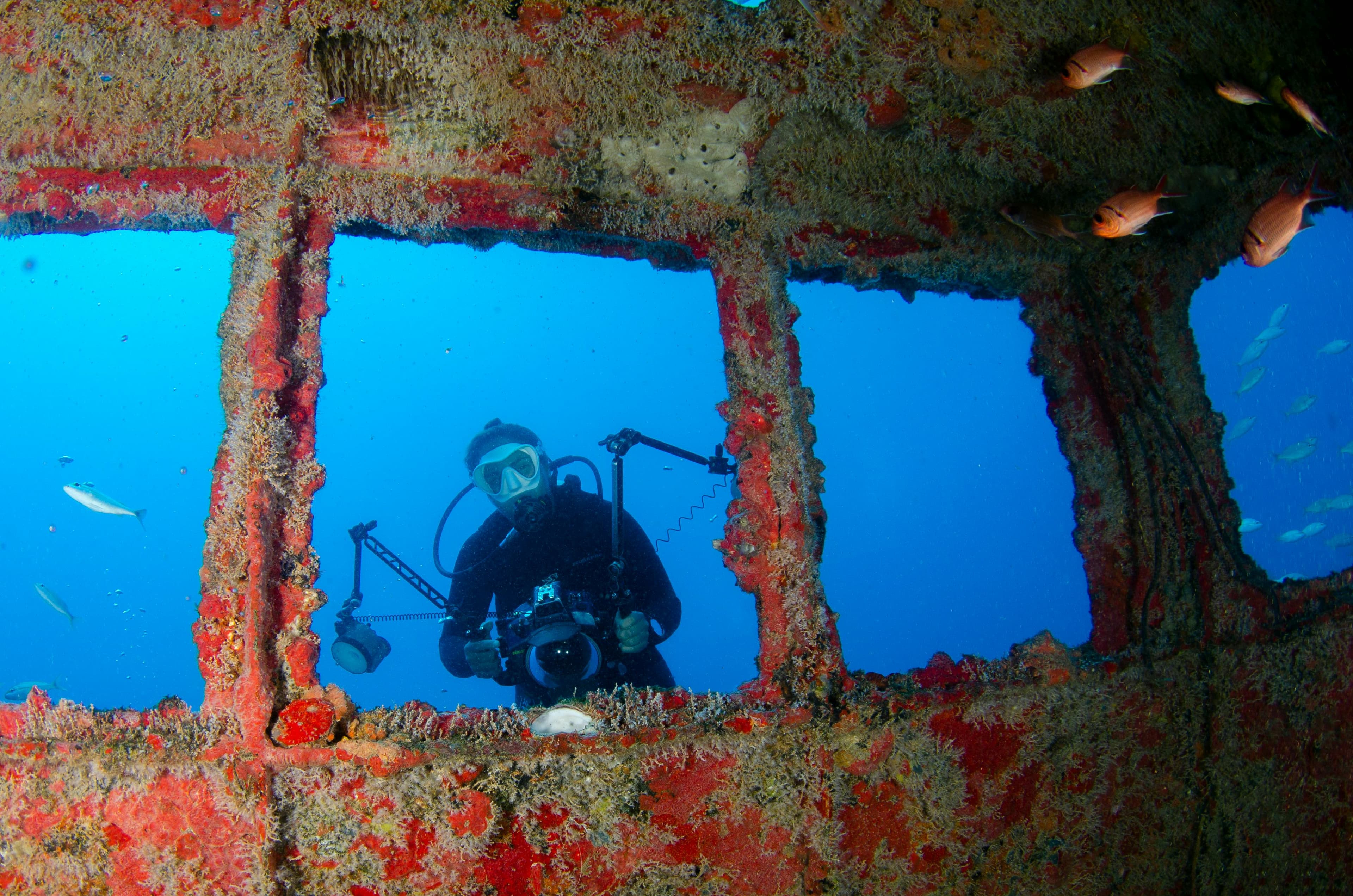
Underwater Photography Tips for Divers
Capture the beauty of marine life with these essential photography techniques and equipment recommendations. Transform your diving adventures into stunning visual memories.
Read More